


 EN
 AR
 FR
 DE
 JA
 KO
 PT
 RU
 ES
 DA
 FI
 NO
 SV
 TL
 BG
 HR
 CS
 NL
 EL
 HI
 PL
 RO
 IW
 SR
 SK
 SL
 UK
 VI
 SQ
 ET
 HU
 MT
 TH
 MS
 GA
 IS
 AZ
 KA
 BN
 MN

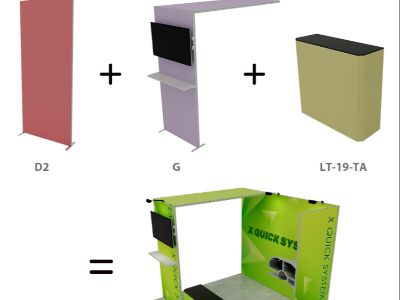
Backlit trade show displays are increasingly popular for their ability to captivate audiences and enhance brand visibility. These displays utilize illuminated graphics to draw attention at exhibitions and events, making them a vital tool for businesses aiming to stand out. For B2B buyers, purchasing backlit displays involves various considerations, such as quality, cost, and application. This article will guide you through sourcing these displays, the factors influencing their quality and cost, installation guidance, and their applications across different industries.
Where to Source Quality Backlit Trade Show Displays Wholesale
When sourcing backlit trade show displays, it's crucial to choose a reliable manufacturer that adheres to industry standards. Look for suppliers with a proven track record, such as Lintel Display, which leverages automated production lines and holds over 80 patents. Ensure the manufacturer has experience in producing backlit displays and can provide a range of options tailored to various exhibition needs.
Consider suppliers that offer one-stop solutions, simplifying your procurement process. Evaluate their product catalog, focusing on the materials used, display technology, and customization options. Request samples to assess quality firsthand before committing to larger orders. Establishing a strong relationship with your supplier can also lead to better pricing and support.
Quality Factors for Importers and Distributors
Quality is paramount when importing backlit trade show displays. Key factors to consider include the following:
Material Selection: High-quality materials, such as lightweight aluminum frames and durable fabric or acrylic surfaces, contribute to the display's longevity and visual appeal. Ensure the materials used are suitable for the intended application and can withstand transportation and setup conditions.
Manufacturing Standards: Verify that the manufacturer adheres to certifications like CE and UL, ensuring compliance with safety and quality standards. Quality control processes should be in place to monitor production, from raw material inspection to final product testing.
Design and Technology: The effectiveness of a backlit display is influenced by its design and the technology used. Look for displays that utilize LED lighting for bright, even illumination and vibrant color reproduction. Customization options for graphics should be explored to align with branding needs.
Durability and Maintenance: Assess the display's durability, especially if lightbox graphics
will be used in multiple trade shows. Consider features that facilitate easy maintenance, such as removable graphics and washable materials.
Understanding the Cost Factors of Backlit Trade Show Displays
The cost of backlit trade show displays can vary significantly based on several factors:
Size and Complexity: Larger displays or those with intricate designs will typically cost more. Assess your display requirements carefully to determine the most cost-effective size without compromising visibility.
Material and Technology: The choice of materials and lighting technology will influence pricing. For instance, opting for premium fabrics or advanced LED systems may increase initial costs but offer better performance and longevity.
Customization: Custom graphics and unique designs can add to the cost. However, investing in tailored displays can yield a higher return by enhancing brand recognition and engagement at trade shows.
Quantity and MOQ: Many manufacturers have minimum order quantities (MOQ) that can affect pricing. Ordering in bulk may lead to discounts, but ensure that you have the storage and inventory management capabilities to handle larger orders.
Shipping and Handling: Factor in shipping costs, especially for international orders. Consider working with suppliers who can offer competitive shipping rates or local distribution to reduce overall expenses.
Installation Guidance for Backlit Trade Show Displays in Various Settings
Proper installation of backlit trade show displays is vital for maximizing their effectiveness. Here are some installation tips for different settings:
Indoor Events: Ensure adequate power sources are available for LED displays. Use appropriate mounting solutions that secure the display without damaging surfaces. Consider the layout of the exhibition space to position the display for optimal visibility.
Outdoor Events: For outdoor settings, check that the display is weather-resistant and can withstand wind and rain. Secure the display firmly to prevent tipping and ensure visibility even in bright sunlight.
Trade Show Booths: When integrating backlit displays into a larger booth, consider the overall aesthetic. Align the display with other elements, such as furniture and signage, to create a cohesive look. Make sure the display can be easily assembled and disassembled for convenience.
Follow Manufacturer Instructions: Always refer to the manufacturer's installation guidelines. retail light box
ensures that the display is set up correctly and minimizes the risk of damage during installation.
Applications of Backlit Displays in Different Industries and Events
Backlit trade show displays find applications across various industries and events, enhancing visibility and engagement:
Retail: In retail environments, backlit displays can be used for signage and promotional materials, attracting customers and highlighting featured products.
Exhibitions and Trade Shows: These displays are prevalent in trade shows, where businesses showcase products and services. lightbox stands
eye-catching nature helps draw visitors to booths, facilitating networking and sales opportunities.
Corporate Events: Backlit displays are effective for corporate presentations and conferences, providing clear visuals that enhance communication and engagement during speeches and workshops.
Event Marketing: For large events, such as concerts or festivals, backlit displays can serve as directional signage or promotional installations, creating immersive experiences for attendees.
In summary, backlit trade show displays are a strategic investment for businesses looking to enhance their visibility at events. By understanding sourcing options, quality factors, cost implications, installation requirements, and diverse applications, B2B buyers can make informed purchasing decisions that align with their marketing goals.
Table of Contents
- Where to Source Quality Backlit Trade Show Displays Wholesale
- Quality Factors for Importers and Distributors
- Understanding the Cost Factors of Backlit Trade Show Displays
- Installation Guidance for Backlit Trade Show Displays in Various Settings
- Applications of Backlit Displays in Different Industries and Events